
Lanes

Where the cargo is going.

Each lane page answers the search in the first paragraph: which modes exist, how to plan the time, and what to send for a quote. The planner turns that into an inquiry. It does not publish a rate.

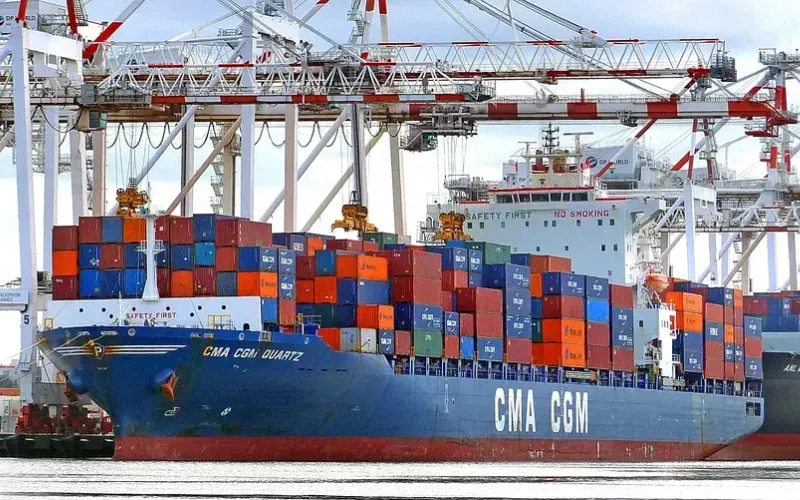
Container ship working under gantry cranes

United States

Yihang Shipping forwards commercial cargo from China to the United States by ocean FCL, ocean LCL, and air. For planning, West Coast port-to-port from East China is often about 14–22 days, and East Coast or Gulf often about 28–40. Cargo from Dalian usually connects by feeder first. Door delivery and US customs sit on top of the sailing. These are planning windows, not a confirmed transit.

Loaded container ship alongside cranes

Canada

Yihang Shipping moves FCL, LCL, and air freight from China to Canada. Vancouver is the usual ocean gateway. Toronto, Calgary, and Montreal often continue by rail or truck after the West Coast, so the inland leg has to be in the same quote as the ocean freight. Prince Rupert is another West Coast option on some sailings. These are routing choices, not a promised day count.

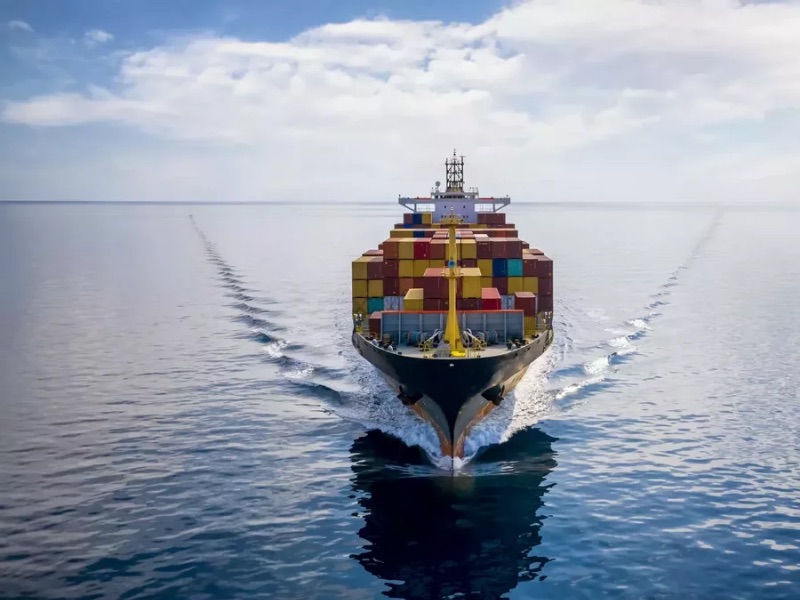
Container ship at sea

Singapore

Yihang Shipping forwards FCL, LCL, and air freight from China to Singapore. From East and South China the ocean leg is short-sea. From Dalian and other North China ports the box usually feeds a mainline port first, so that connection is part of the transit, not an extra surprise. Singapore is also the hub when the cargo is going on to the rest of Southeast Asia.

Container ship working under gantry cranes

Australia

Yihang Shipping forwards commercial cargo from China to Australia by ocean FCL, ocean LCL, and air. For planning, port-to-port from East or South China to Sydney or Melbourne is often about 16–25 days. Brisbane, Adelaide, and Fremantle follow the rotation on the quote. Cargo from Dalian usually connects by feeder first. These are planning windows, not a confirmed transit. Yihang is not the Australian importer.

Container train on an open rail corridor

Europe

Yihang Shipping forwards China to Europe cargo by ocean, by rail when the ocean date fails, and by air when neither will do. Ocean planning to Rotterdam, Hamburg, or Antwerp is often about four to six weeks port to port from East China, then the European inland move. Where China–Europe rail replaces that sea route, transit can be up to about 40% shorter than ocean. That is a planning comparison, not a booked transit. Dalian cargo connects into the network by feeder. The quote picks one path and says what is included.

Long container train crossing open country

Russia and Central Asia

Yihang Shipping’s primary path to Russia and Central Asia is rail, with door-to-station and station-to-door options and tracking on the move. On the lanes where rail replaces the ship, transit can be up to 40% shorter than the sea route. Ocean and truck still exist when the terminal or the cargo says so. The quote states which path is actually open.

Shipment planner

See which mode to ask for.

This does not invent a freight rate. It uses the lane and the volume to point at FCL, LCL, air, or rail, then opens a quote with those facts filled in.

Planning note

Add a volume if you have one.

Without CBM, the table on this page is the whole answer. With CBM, we point at one mode and draft the quote.

Questions shippers ask

Which lanes can Yihang quote?

The pages here cover the United States, Canada, Singapore, Europe, and Russia with Central Asia. If the destination is not listed, send it anyway. The limit is whether a carrier will take the cargo.

Do these pages show freight rates?

No. Ocean and air rates move with the sailing. Each page gives a planning window and a form. The rate, and what it includes, comes back from the desk.

Where does the cargo start?

Dalian, Tianjin, Qingdao, Shanghai, Ningbo, and Shenzhen are normal load ports. North China cargo that needs a feeder is planned that way from the start.